
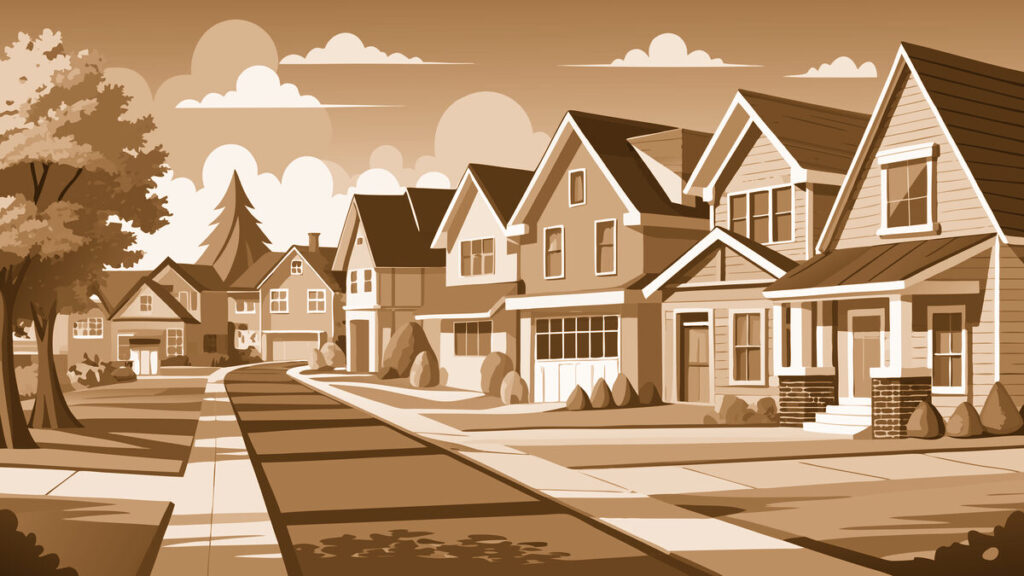
Nestled in the vibrant city of Arlington, TX, the Stone Ridge neighborhood stands as a living tapestry woven from decades of history, local milestones, and a strong sense of community. While today Stone Ridge is known for its mature trees, friendly neighbors, and well-kept homes, its story begins long before the first brick was laid on Stonehedge Drive or the laughter of children echoed through the leafy expanse of Randol Mill Park.
The Origins of Stone Ridge
Stone Ridge’s history traces back to mid-20th century Arlington, a time when the city was blossoming from a rural town into a bustling suburban hub. Much of the land where Stone Ridge now stands was once rolling prairie and farmland, much like the rest of East Arlington. Developers in the 1970s, seeing Arlington’s explosive growth thanks to nearby major employers like General Motors and the opening of Six Flags Over Texas, recognized that families sought neighborhoods with space, tranquility, and convenient city access.
It was in this spirit that Stone Ridge was conceived, with its boundaries roughly spanning Randol Mill Road to the north and bordered by Fielder Road to the west. The developers chose “Stone Ridge” as its name both for the slight, scenic elevation the neighborhood sits on, as well as the natural limestone that dotted the landscape—remnants of the land’s geological past.
Naming the Neighborhood: A Nod to the Land
There’s a quiet pride among longtime residents about how Stone Ridge got its name. Before homes or schools were ever built, the area was known for its gently sloping ridges and limestone outcroppings along what would become Brookhollow Drive and Ridgeview Lane. Early plans even called for stone markers at the entrances, paying homage to the land. Though some of those original stone features have been replaced through the years, a few can still be spotted at the corners of Sunstone Drive and Moonstone Drive, especially near the shaded playground at the neighborhood’s heart.
Key Historical Milestones
Over the decades, Stone Ridge has witnessed the changes and growth of Arlington firsthand. Here are a few key moments that shaped the neighborhood:
- 1973-1977: The first phase of home construction began, and families from across Texas moved in, drawn by excellent Arlington ISD schools, including close proximity to Pope Elementary and Lamar High School.
- 1980s: With completion of newer streets like Crystal Oak Drive and expanded greenbelts, Stone Ridge gained a reputation as a safe and welcoming place for young families.
- 1997: The addition of Randol Mill Family Aquatic Center, just north of the neighborhood, offered residents an easy escape from Texas heat and became a summer staple for local kids.
- 2000s: As Arlington embraced new sports and cultural attractions, Stone Ridge remained a tranquil retreat, benefiting from city improvements to nearby parks like Bob Findlay Linear Park and the preserved woodlands along Johnson Creek.
Notable Landmarks and Buildings
Stone Ridge may not have the flashy landmarks of downtown Arlington, but its pride shines in its institutions, parks, and architectural gems:
- Randol Mill Park: Although just outside neighborhood boundaries, this sprawling park is a Stone Ridge staple. For many residents, weekends mean picnics beneath mature oaks, youth soccer games, or quiet mornings hiking along shady trails.
- Stone Ridge Estates Entry Markers: The original limestone and engraved markers at the main entrances remain a local photo-op and subtle reminder of the neighborhood’s heritage.
- Pope Elementary School: Serving multiple generations, the highly regarded public elementary on nearby Green Oaks Blvd has anchored community life. Its annual fall carnivals and spring concerts are longtime traditions for neighborhood families.
- Classic Ranch & Colonial Homes: Take a stroll down Sunstone Drive or Ridgeview Lane, and you’ll spot well-maintained homes from the 1970s and 80s—each with distinct personalities, lush yards, and many proudly flying Texas flags.
Evolution and Enduring Spirit
What truly sets Stone Ridge apart is its enduring sense of community. Even as newer developments have sprung up in northern Arlington, Stone Ridge has managed to retain its original charm and close-knit spirit. Block parties along Moonstone Drive, book exchanges in neighbor-run Little Free Libraries, and the annual holiday light displays are eagerly anticipated traditions.
Home values have remained stable, thanks in part to active neighborhood groups and city investment in quality infrastructure. The residents—some of whom have lived in Stone Ridge for generations—are proud of the safe sidewalks, community watch programs, and support for local businesses just a short drive away along Collins Street and Randol Mill Road.
The infusion of new families and professionals has brought fresh energy. Yet, the essence remains unchanged: kids biking to Bob Findlay Park after school, couples out for evening strolls, and neighbors gathering to celebrate milestones both big and small.
A Neighborhood That Feels Like Home
For newcomers, Stone Ridge offers the rare gift of an established neighborhood where history isn’t just preserved—it’s lived every day. There’s an unspoken tradition of waving to neighbors on a morning walk, of potluck dinners after PTA meetings, and of taking pride in both the stone markers that gave the neighborhood its name and the strong roots that have grown here over decades.
Stone Ridge is more than a collection of houses. It’s a story of families creating memories, of land transformed with care, and of a heritage cherished by those who call it home. In an ever-changing city, Stone Ridge endures—a slice of Arlington where the past is honored, the present is lived with joy, and the future is always welcomed with a warm neighborhood wave.